
The Role of LCOS Spatial Light Modulators in Advanced Optical Systems
A useful companion for teams mapping LCOS SLM behavior to wavefront control, lab automation, optical communications, and high-precision photonics platforms.
Moropto optical lab integration
The SLM-Spec-PAA380 is a reflective LCOS spatial light modulator for research teams that need controlled phase, amplitude, and beam-power modulation on an optical bench. It brings high-resolution digital addressing into wavefront manipulation, beam shaping, phase correction, digital holography, and optical communications experiments.
For teams comparing a spatial light modulator supplier or evaluating a spatial light modulator manufacturer, this page organizes the visible PAA380 specifications, practical integration points, and application context in one engineering-friendly view.
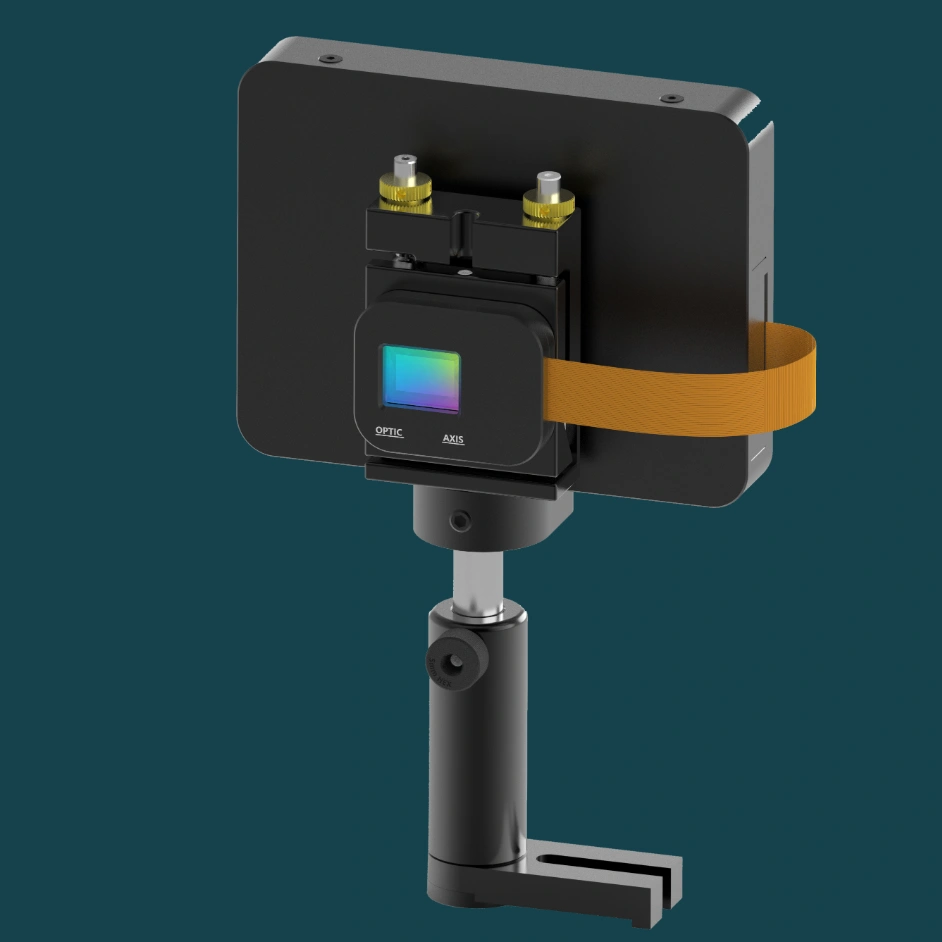
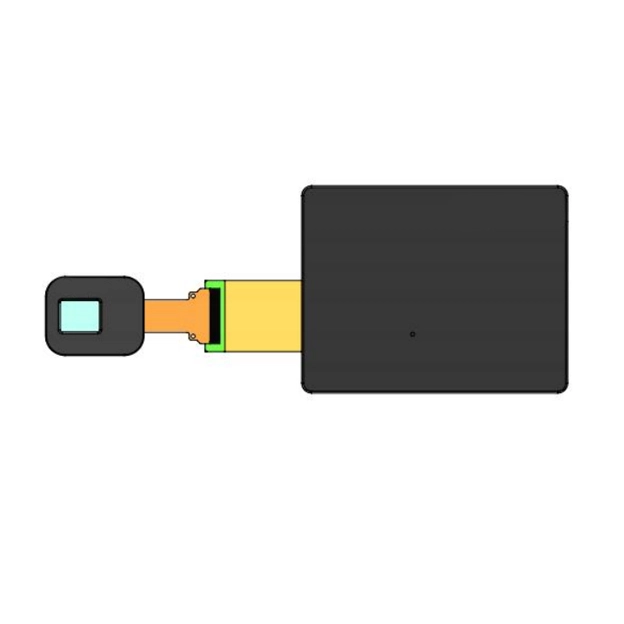
This compact LCOS SLM gives optical engineers a practical route to high-resolution digital phase control. The HDMI interface, 8-bit input, and listed 60 Hz frame rate make it easier to plan control hardware, calibration routines, and optical bench layout before requesting a quote.
| Product Name | SLM-Spec-PAA380 |
|---|---|
| Product Type | Reflective LCOS spatial light modulator |
| Series | Liquid Crystal Spatial Light Modulator P series |
| Native Resolution | 1920 x 1200 pixels |
| Pixel Pitch | 8.0 micrometers |
| Input Signal | 8-bit input with 256 modulation levels |
| Phase Modulation | Up to 5.5 pi at 532 nm wavelength |
| Contrast Ratio | Greater than 1000:1 |
| Frame Rate | 60 Hz |
| Fill Rate | 90.7 percent |
| Interface | HDMI |
| Rise and Fall Time | 45 ms rise time and 85 ms fall time |
| Operating Temperature | +10 degrees C to +40 degrees C |
| Common Applications | Beam shaping, phase correction, digital holography, optical communications, laser processing, educational research, biomedical imaging prototypes |
A useful companion for teams mapping LCOS SLM behavior to wavefront control, lab automation, optical communications, and high-precision photonics platforms.
This selection-focused article helps engineering buyers compare modulation needs, integration expectations, wavelength fit, and model choice for industrial optical systems.
A research-oriented guide for labs tuning SLM setup, calibration, phase patterns, and experiment consistency across demanding optical workflows.
A lab manager planning digital holography experiments would value the 1920 x 1200 resolution, 8-bit control, and HDMI input because those details make workstation planning and pattern generation easier to coordinate.
A system integrator comparing beam modulation options would focus on the 5.5 pi phase range at 532 nm, 60 Hz frame rate, and compact reflective LCOS format for prototype optical layouts.
An imaging development group would appreciate having phase modulation, contrast ratio, fill rate, and operating temperature in a single quick reference before discussing test conditions with Moropto.
The SLM-Spec-PAA380 is suited to optical benches that need wavefront manipulation, beam shaping, phase correction, digital holography, optical communications testing, laser processing research, and biomedical imaging prototype work.
The product page lists a native resolution of 1920 x 1200 pixels with an 8.0 micrometer pixel pitch. This supports detailed phase patterns for research and integration workflows.
The product information highlights an HDMI interface, which gives optical engineers a familiar digital input path when adding the unit to an existing optical platform or automated test setup.
Visible specifications include 8-bit input, 256 modulation levels, a phase modulation range up to 5.5 pi at 532 nm, a contrast ratio above 1000:1, 60 Hz frame rate, and 90.7 percent fill rate.
Yes, the page describes use in industrial research settings such as laser processing, optical communications testbeds, biomedical imaging prototypes, and OEM optical systems where compact LCOS modulation is required.
Confirm wavelength requirements, phase modulation target, interface needs, software or control expectations, mounting conditions, environmental range, lead time, package contents, and whether another P-series model better fits the project.


